There’s a story in Better Call Saul (sequel to Breaking Bad) where Kim Wexler, a top attorney disillusioned with corporate life, turns to providing free 5-star legal support to those who cannot afford it.
The catch? Her philanthropy is financed through corruption (as if!). This got me thinking about what it truly means to be authentic in business.
Can companies do well and do good? Can they balance purpose with profit? Does a society driven by economic growth come with hidden gremlins or inconvenient truths?
Years ago, when thinking about Made Open’s mission, I went on a two-day Gaian leadership course in the Brecon Beacons. It was a bit too “woo” for me, with participants encouraged to open their hearts and connect with their deeper feelings.
But one session left a lasting impression. A professor from Schumacher College explained how GDP and CO2 are intrinsically linked. To prove his point, he showed two striking slides which were impossible to ignore, and have stuck with me ever since.
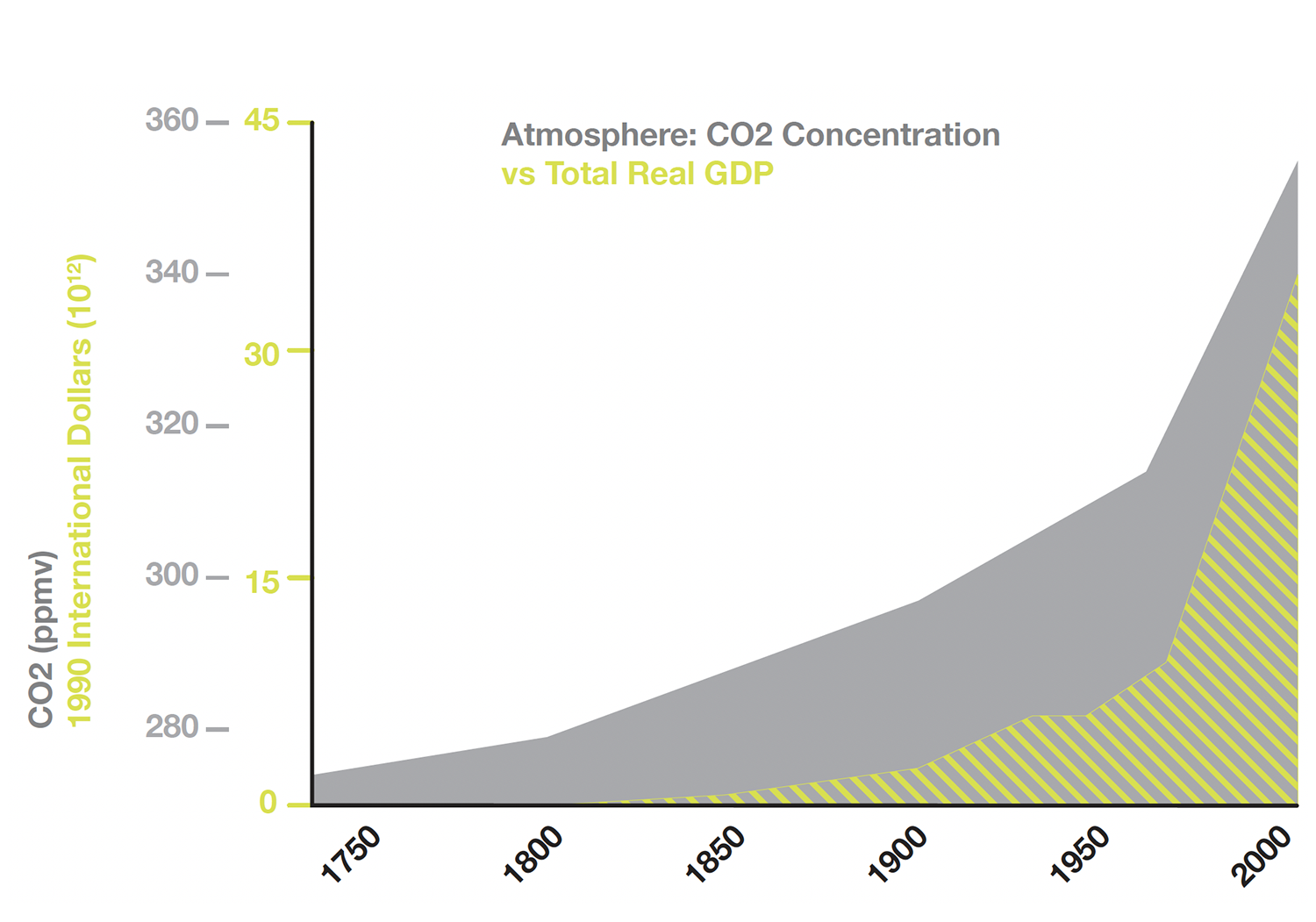
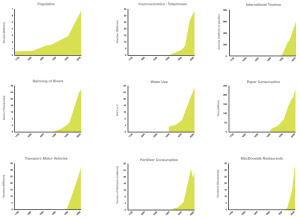
Later, I asked the professor whether buying a £160 eco-handbag or a £6 plastic one was the more sustainable choice. After some discussion, he reminded everyone not to judge a book by its cover.
While the £160 handbag might be more eco-friendly, and certainly marketed as such, selling “eco-friendly” products at high prices risks promoting high-consumption habits, undermining sustainability goals.
This nuanced perspective taught me how complex sustainability is and how it can be undermined by consumerism.
I often wonder if businesses like TOMS Shoes, Ben & Jerry’s and Patagonia, who are celebrated for their purpose-led models, discuss challenges like this. Because consumerism is consumerism – it has consequences.
Ultimately, being authentic to me means doing your best without exaggerating your efforts (which is why Made Open doesn’t make a big deal about being a B-Corp.).
Here are three lessons I’ve learned along the way:
- A clear, authentic purpose is essential, but actions express priorities.
- Charging a high price for a “sustainable” product doesn’t make the world any more sustainable.
- Honesty is crucial – being open about your challenges is more marketable than concealing them.
Like Kim Wexler, I grew disillusioned with corporate life in my late twenties. I couldn’t stomach the wastefulness and gloss of the consumer machine. But I also knew that walking away from corporates wasn’t the answer, so I set about building something where I could help while staying true to my values.
It hasn’t been easy (the Kim Wexler approach would have be much simpler) and has also led me down other paths. But, looking back, I’m glad I’ve stuck with it. True sustainability and authenticity require constant reflection and balance – something I’m still learning more about every day.
* * * * * * * * * * *
This category is named after my business, Made Open. The general plan is to share my experiences and lessons, in an open and honest way.